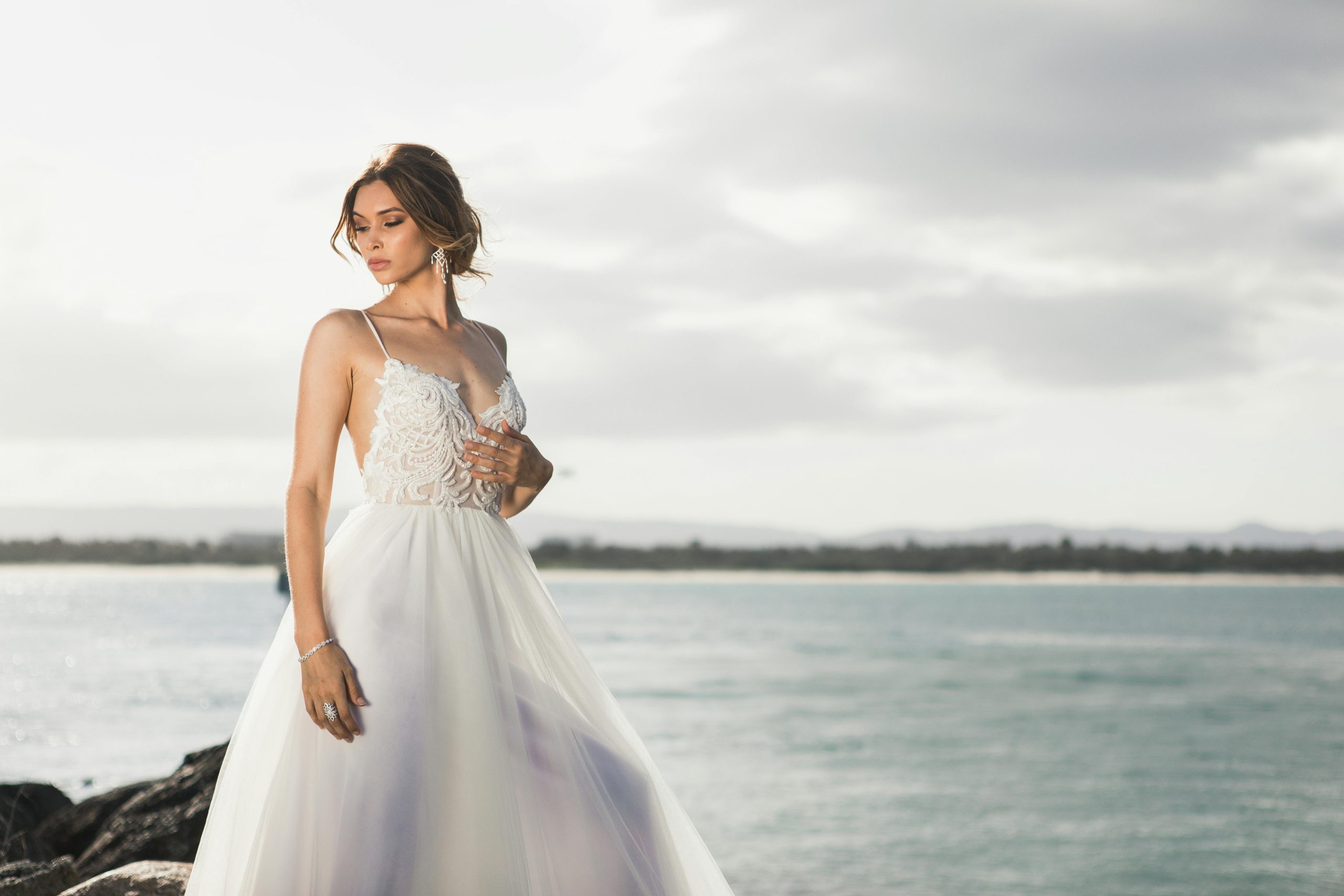
Long before the ceremony begins, before music fills the room or vows are exchanged, there is a moment of stillness when a bride steps into her wedding outfit. At that moment, ethical bridal wear becomes more than fabric or form. It becomes a marker of transition, a physical expression of emotion, and a symbol of a chapter closing and another beginning.
This is why choosing a wedding outfit often feels more intense than choosing anything else to wear. It is not simply about appearance, but about how the garment makes the bride feel when she stands alone with her thoughts. Brands such as Agaati understand that bridal wear is deeply personal, shaped by memory, identity, and the desire to feel fully present rather than performed.
Bridal Wear as an Emotional Experience
Bridal wear carries emotional weight unlike any other garment. It is worn on a day filled with heightened feeling, where every sensation feels amplified. The texture against the skin, the way the outfit moves with the body, and even the sound of fabric shifting as one walks become part of the memory.
This is why many brides struggle to articulate what they are looking for. They are not always searching for a specific style, but for a feeling of alignment. When the right outfit is found, there is often a sense of calm rather than excitement. It feels familiar, grounding, and right.
Bridal wear, at its best, does not distract from emotion. It supports it.
Dressing as a Ritual, Not a Performance
The act of getting dressed on a wedding day is a ritual in itself. Unlike everyday dressing, bridal dressing is unhurried and intentional. Each element is placed with care, often with loved ones present, turning the process into a shared experience.
In this context, bridal wear is not meant to impress an audience. It is meant to hold space for vulnerability. When the garment feels comfortable and true, the bride is free to experience the day fully rather than manage how she looks within it.
This shift away from performance toward presence is changing how bridal wear is designed. Less emphasis is placed on dramatic impact, and more on how the garment behaves during real moments of connection.
The Importance of Feeling Like Yourself
One of the most common reflections brides share after their wedding is whether they felt like themselves. Bridal wear plays a central role in that reflection.
When an outfit feels too costume-like, it can create distance between the bride and the moment. When it feels authentic, it allows the bride’s personality to come through naturally. Laughter feels easier. Movement feels unselfconscious. Emotion feels unfiltered.
This is why modern bridal wear often feels quieter than expected. Simplicity allows individuality to surface. The garment becomes a frame, not the focal point.
Memory Is Woven Into Bridal Wear
Bridal wear holds memory in a tangible way. Long after the day has passed, the garment remains as a physical reminder of how that moment felt. It carries the weight of emotion, anticipation, and connection.
Even when stored away, bridal wear retains meaning. It may never be worn again, yet it remains significant. The fabric remembers movement. The seams hold stories. The garment becomes an archive of feeling rather than an object of use.
This emotional permanence is why many brides are drawn to pieces that feel timeless rather than trend-specific. They are not dressing for the present moment alone, but for how they will remember it years later.
Bridal Wear and the Body in Motion
A wedding day is filled with movement. Walking, standing, sitting, dancing, embracing, and pausing all happen in quick succession. Bridal wear must respond to these shifts without resistance.
When a garment restricts movement, it pulls attention away from the moment. When it moves easily with the body, it becomes invisible in the best way. The bride forgets about the outfit and experiences the day directly.
Designs that account for motion rather than static imagery are becoming increasingly valued. Bridal wear is no longer imagined only for photographs, but for lived experience.
Why Weight and Structure Matter Emotionally
The physical weight of bridal wear often mirrors emotional weight. Heavy garments can feel ceremonial, but they can also feel burdensome. Lighter structures allow for freedom, ease, and emotional openness.
This does not mean bridal wear must be minimal. It means that structure should feel supportive rather than imposing. When a garment feels balanced on the body, it creates confidence rather than tension.
The relationship between body and garment is intimate on a wedding day. Comfort is not a compromise; it is a foundation.
Bridal Wear as a Reflection of Personal Values
Many brides today are deeply aware of what their choices represent. Bridal wear becomes an extension of values, whether those values are centered on craftsmanship, longevity, or intentionality.
The desire to choose thoughtfully does not always come from a place of ideology. Often, it comes from wanting the garment to feel meaningful rather than excessive. Brides want to look back and feel proud of their choice, not overwhelmed by it.
This thoughtful approach creates bridal wear that feels considered rather than obligatory.
The Silence Between Trends
Trends move quickly, but weddings live on in memory. Bridal wear that relies heavily on trends risks feeling dated when revisited through photographs or reflection.
Designs that exist quietly between trends tend to age more gracefully. They allow memory to take precedence over fashion. Instead of being anchored to a specific moment in time, they feel suspended in emotion.
This is why many brides instinctively move away from what feels loud and toward what feels enduring.
Bridal Wear as a Personal Anchor
On a day filled with unpredictability, bridal wear can act as an anchor. When the outfit feels right, it provides a sense of grounding amid emotion and excitement.
The garment becomes a constant throughout the day. It witnesses every moment. It absorbs laughter, nerves, joy, and stillness. In this way, bridal wear becomes a quiet companion rather than a statement to manage.
That quiet presence is often what makes an outfit unforgettable.
What Truly Endures in Bridal Wear
What lasts is not embellishment or trend, but feeling. Brides remember how they felt walking into the ceremony, standing during vows, and moving through the celebration. Bridal wear that supports those moments becomes inseparable from the memory itself.
The most powerful bridal wear does not demand attention. It allows the bride to exist fully in her experience. In doing so, it becomes timeless, not because it avoids change, but because it honours what matters most.